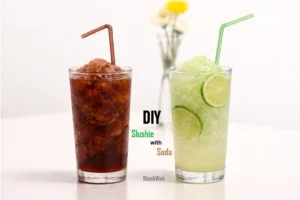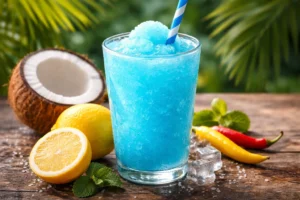

If you’ve ever enjoyed an icy, colorful drink on a hot day, you already know the magic of a slushie machine—a device that chills and stirs beverages to create that perfect semi-frozen, refreshing texture. Today, slushie machines aren’t just a commercial staple in cafés, gas stations, and concession stands—they’ve also become increasingly popular in homes for parties, family fun, and convenient frozen treats on demand. Owning one comes with quick benefits: consistent slushie quality, customizable flavors, time-saving operation, and year-round enjoyment. This guide is designed for home users, small business owners, event planners, and anyone curious about choosing, using, or maintaining a slushie machine. In this ultimate guide, you’ll learn how slushie machines work, the different types available, the features to look for, maintenance tips, top brands, troubleshooting advice, and everything you need to make the perfect icy beverage every time.
- What Is a Slushie Machine?
- Types of Slushie Machines
- Key Features to Look for When Buying
- How a Slushie Machine Works
- Costs: Machine + Syrup + Maintenance
- Slush Syrups & Mixing Ratios
- Routine Cleaning & Maintenance
- Common Problems (Quick Fixes)
- Best Uses of a Slushie Machine
- Recommended Slushie Machines
- Frequently Asked Questions (FAQs)
What Is a Slushie Machine?
How a Slushie Machine Works
A slushie machine turns a liquid mix into a semi-frozen drink by chilling it to just below freezing while constantly stirring. As the temperature drops, tiny ice crystals begin to form. The machine keeps these crystals moving so they stay smooth and uniform instead of hardening into a solid block of ice. This controlled freezing and mixing process is what gives slush its classic icy, drinkable texture.
Core Components of a Slushie Machine
A typical slushie machine is built around four essential parts, each playing a specific role in the freezing process:
- Tank (Bowl): The transparent container where the liquid sits and freezes.
- Auger: A rotating spiral that stirs the mixture and prevents ice from clumping.
- Compressor: The cooling system that brings the liquid down to slush-forming temperatures.
- Control Board: The “brain” of the machine, managing temperature, consistency, and operating modes.
Together, these components ensure consistent texture, reliable freezing, and smooth machine performance.
Cold Drink Dispenser vs. True Slush Machine
It’s easy to confuse a slushie machine with a standard cold beverage dispenser, but they are built for entirely different results.
- Cold beverage dispensers chill liquids and keep them circulating—nothing freezes.
- Slush machines partially freeze the mix, creating a thick, icy drink with a spoonable, slow-melting consistency.
If your goal is authentic slush—not just cold drinks—you need a true slushie machine designed for controlled freezing.
Types of Slushie Machines
1. Home Slushie Machines
Home slushie machines are compact, user-friendly units designed for personal and family use. They typically come with smaller capacities (ranging from 1–3 liters per tank), simple controls, and lightweight construction for easy handling. Common features include basic freeze settings, removable bowls, and straightforward cleaning. These machines are perfect for birthday parties, small gatherings, or casual at-home treats, offering convenience without the complexity of commercial-grade equipment.
2. Commercial Slush Machines
Commercial slush machines are built for high-volume, continuous operation, making them suitable for cafés, convenience stores, restaurants, and event businesses. They feature larger tanks (usually 6–12 liters each), heavy-duty compressors, and reinforced components designed to run for long hours—even 24/7 if required. Their enhanced durability, faster freeze times, and advanced control settings ensure consistent output, especially in busy environments where reliability is crucial.
3. Tank vs. 2-Tank vs. 3-Tank Machines
Slushie machines come in a variety of tank configurations, giving users flexibility depending on their needs:
- 1-Tank Machines: Ideal for home use or low-volume setups; simple, compact, and cost-effective.
- 2-Tank Machines: Offer two flavors simultaneously with greater output—popular for small shops or events.
- 3-Tank Machines: Best for high-demand commercial environments, providing maximum variety and production capacity.
This quick breakdown helps you match the right machine type to your space, volume, and flavor requirements. For more details you can explore our Types of Slushie Machines page.
Key Features to Look for When Buying
Choosing the right slushie machine isn’t just about picking a model—it’s about understanding the features that shape performance, consistency, and long-term value. Whether you’re buying for home use or a commercial setup, paying attention to a few key specifications will help you avoid common mistakes and ensure you get a machine that truly fits your needs.
(a) Tank Size
The tank size determines how much slush you can produce at once. Smaller tanks suit home use, while larger-capacity tanks are ideal for businesses or events with steady demand.
(b) Cooling System
The cooling system affects how quickly and efficiently the machine freezes the mixture. Look for stable, energy-efficient refrigeration that maintains consistent slush texture.
(c) Motor Power
A stronger motor supports smoother mixing and prevents ice buildup. Higher power is especially important for commercial machines running for long hours.
(d) Cleaning Ease
Machines with removable tanks, accessible parts, and simple disassembly save time and reduce maintenance hassle—important for both home and commercial users.
(e) Noise Levels
Some machines operate louder than others due to their compressors and motors. If noise is a concern, especially for home use, choose models designed for quieter performance.
(f) Durability & Build Quality
Sturdy construction, high-quality materials, and reliable internal components ensure your machine lasts longer and performs consistently, even under heavy use.
You might also like: Slushie Machine Buying Checklist
How a Slushie Machine Works
Slushie machines may look simple, but their operation involves a precise freezing and mixing process to create that perfect icy texture. Understanding the basics helps users get consistent results every time.
Freezing Cycle
The machine chills the liquid mixture to just below freezing. As ice crystals begin to form, the system carefully maintains the ideal temperature so the mix stays semi-frozen, rather than solid. This controlled freezing ensures a smooth, slush-like consistency.
Role of the Auger
The auger is a rotating spiral inside the tank that constantly stirs the mixture. It prevents ice from clumping together, keeps the crystals small and even, and ensures a uniform texture throughout the drink.
Why Syrup Ratios Matter
The balance between syrup and water is crucial. Too much syrup can make the mix too thick to freeze properly, while too little can result in an icy, bland slush. Correct ratios ensure optimal freezing and flavor.
Quick Machine Workflow
- Fill the tank with water and syrup mixture
- Activate the cooling system and set the desired temperature
- Auger continuously stirs as ice crystals form
- Slush reaches the ideal semi-frozen texture
- Dispense and enjoy!
Click for a detailed overview How a Slushie Machine Works
Costs: Machine + Syrup + Maintenance
When budgeting for a slushie machine, it’s important to consider not only the upfront cost of the machine itself, but also ongoing expenses like electricity, syrup supply, and maintenance. Below is a breakdown of what you can expect — for both home-use and commercial-grade machines.
Machine Price Range (Home vs Commercial)
- Home slushie machines — Basic countertop or single-tank units for occasional or household use generally cost around US $150–$400.
- Commercial slushie machines — These heavier-duty, higher-capacity units designed for continuous operation typically start around US $800–$1,500 for entry-level dual-tank models, and can go up to US $2,500–$3,500+ (or more, for premium multi-tank or large-capacity models).
Electricity Usage
- Smaller home units draw less power — often comparable to regular kitchen appliances — making electricity costs modest if usage is occasional.
- Commercial machines, with larger compressors and capacity, consume more power. Although exact wattage depends on the model, many commercial-grade slush machines are built for long-hours operation (heavy-duty cooling + mixing), which can moderately increase your utility bills.
- For business use, it’s wise to factor electricity as part of ongoing operating costs — though compared to cost of syrup and supplies, it often remains a smaller portion of overall expenses.
Syrup Cost Overview
- Slush syrup (concentrate) typically costs US $15–$25 per half-gallon jug. Mixed at the standard ratio (e.g. 1 part syrup : 5 parts water), one jug yields roughly 3 gallons (≈ 384 oz) of ready-to-drink slush.
- That works out to a cost per 12 oz serving of about US $0.60–$0.84 (just for syrup + water).
- If you add disposables (cups, lids, straws) and other overhead, per-serving cost may rise slightly — but overall, syrup remains the main recurring cost for frequent usage.
Maintenance Cost
- Regular cleaning supplies and basic upkeep for a home slushie machine are minimal — often negligible if cleaned consistently after use.
- For commercial units, expect some maintenance-related costs: periodic cleaning / sanitizing, occasional replacement of seals or wear parts, and potential servicing of compressor or motor over longer use. Industry guides estimate annual maintenance costs (parts, cleaning, wear & tear) around US $50–$200 per year, depending on usage frequency.
- Compared with syrup and machine cost, maintenance tends to be a smaller, manageable expense — especially if you follow recommended cleaning routines and care guidelines.
Slush Syrups & Mixing Ratios
Getting the mix right is one of the most important steps in making smooth, consistent slush. The correct syrup ratio ensures proper freezing, balanced flavor, and prevents common issues like overfreezing or watery texture.
Importance of the Correct Ratio
Slush machines rely on sugar content to freeze properly. Too much syrup makes the mix too thick to freeze; too little syrup makes it icy or watery. A proper ratio keeps the machine running smoothly and delivers the ideal semi-frozen texture.
Basic 1:5 or 1:6 Formula
Most commercial slush syrups follow a 1:5 or 1:6 mixing ratio—one part syrup to five or six parts water. This provides the right sugar level for consistent freezing while keeping the flavor strong and refreshing.
Types of Syrups
- Fruit Flavors: Classic options like strawberry, mango, blue raspberry, lemon, and orange—sweet, colorful, and ideal for kids.
- Cola & Soda Flavors: Popular choices for cafés and kiosks, offering familiar tastes in icy form.
- Energy Drink Syrups: Great for convenience stores and gyms, creating slush versions of energy-style drinks.
- Sugar-Free Syrups: Suitable for health-conscious customers, but may require stabilizers since they freeze differently due to lower sugar content.
Routine Cleaning & Maintenance
Proper maintenance keeps your slushie machine running smoothly, ensures consistent drink quality, and helps prevent costly breakdowns. Here’s a quick, practical routine you can follow.
(a) Daily Cleaning
Wipe down the exterior, rinse the drip trays, and flush the tanks with warm water to remove leftover syrup. This prevents sugar buildup and keeps the machine hygienic.
(b) Weekly Tasks
Disassemble key parts like the auger, tap, and seals for a thorough wash. Sanitize the tanks and inspect O-rings or gaskets for wear to prevent leaks.
(c) Monthly Deep Clean
Perform a full breakdown of the machine, clean internal components, and check for mineral deposits or hardened syrup. Lubricate moving parts if recommended by the manufacturer.
(d) Extending Machine Lifespan
Use the correct mix ratios, avoid overfilling, clean regularly, and monitor temperature settings. Consistent care reduces strain on the motor and compressor, helping the machine last for years.
Common Problems (Quick Fixes)
Even well-maintained slushie machines can run into issues. Here are quick, to-the-point fixes for the most common problems.
1. Not Freezing
Check the syrup-to-water ratio, ensure the tank isn’t overfilled, and confirm the cooling mode is activated. Poor ventilation around the machine can also prevent proper freezing.
2. Overfreezing
Reduce the freeze setting or adjust the consistency level. Overfreezing often happens when the sugar content is too low—recheck your mix ratio.
3. Slush Too Watery
Increase the syrup ratio slightly or lower the temperature setting. Make sure the auger is moving properly; if not, clean or reassemble it.
4. Machine Not Turning On
Verify the power cord, outlet, and switch. Inspect the machine’s safety features—some models won’t start if the tank or lid isn’t correctly secured.
You might also like: Common Mistakes When Using Slush Machines
Best Uses of a Slushie Machine
A slushie machine is a versatile addition to both homes and businesses, offering year-round opportunities for fun, flavor, and profit. Here are the most common and practical ways people use them.
Home, Parties & Kids’ Events
Perfect for family gatherings, birthday parties, and casual get-togethers, slushie machines deliver instant excitement. Kids love the bright colors and flavors, while adults can enjoy creative frozen drinks or mocktails.
Cafés, Restaurants & Kiosks
Food businesses use slush machines to boost impulse sales and add high-margin frozen beverages to their menu. They’re ideal for grab-and-go environments where customers want something refreshing and fast.
Juice Bars
Juice bars benefit from offering slush versions of fruit mixes, iced teas, energy blends, and detox drinks. It adds variety to the menu while using the same ingredients already on hand.
Seasonal Usage Benefits
During hot months, slushie machines attract customers looking to cool down—making them highly profitable. For home users, they provide refreshing drinks all summer long and fun treats during holidays or winter parties when guests want something unique.
Recommended Slushie Machines
Here are some top-rated slushie machines — a mix of excellent home models and robust commercial options. These are among the best from the brands you asked to cover.
Best Home Models
Ninja SLUSHi FS301 Professional Frozen Drink Maker — A standout home-use slushie machine that delivers near-commercial quality. It uses patented rapid-chill technology and an internal compressor, allowing you to go from liquid to smooth slushie in 15–30 minutes without pre-freezing. Compact, easy to clean, and ideal for families or small gatherings.
Click to explore Ninja Slushie Machine — Best Models & Buying Guide 2025
Ninja SLUSHi FS605 Max XXL Frozen Drink Maker — If you entertain often or host parties, this larger-capacity version is built for more volume. With its oversized 150 oz vessel, multiple program settings, and stronger cooling, it’s great for larger households, parties, or get-togethers.
These are best for users looking for convenience, versatility (slushies, milkshakes, cocktails, etc.), and relatively small-scale use without investing in heavy-duty equipment.
Best Commercial / Heavy-Duty Models
GSEICE 3×4 Gal Commercial Slush Machine — A powerful commercial-grade machine with three 4-gallon bowls (total 12-gallon capacity), suited for restaurants, cafés, kiosks, or events. Its robust compressor ensures stable freezing and consistent texture, even with heavy use, and it’s designed for high-volume output — ideal if you sell slushies or serve many guests.
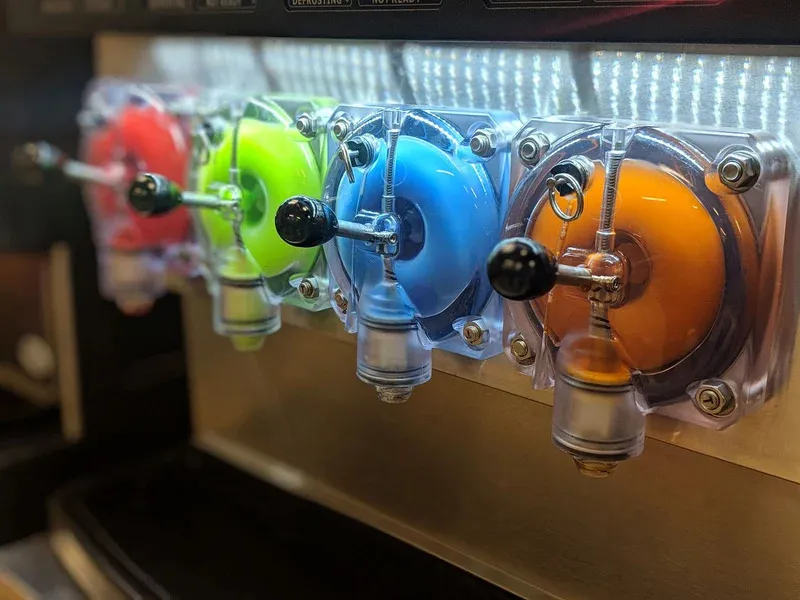
Carpigiani Granita Slush Machine V AIR Series — A trusted name in commercial frozen-drink equipment, this model brings professional build quality and flexibility. It supports multiple bowl sizes (single to triple), offers consistent freezing and mixing, and is designed for continuous operation — great for busy cafés, juice bars, or bars serving frozen cocktails.
These commercial machines are best suited for businesses or users needing reliability, volume, and round-the-clock performance.
Frequently Asked Questions (FAQs)
How long does it take to freeze?
Most slushie machines take 45–90 minutes to turn liquid into a proper slush, depending on the mix ratio, room temperature, and machine power.
Can I use juice or soda instead of syrup?
Yes—but with caution. Juices and sodas can work if they have enough sugar. Low-sugar drinks won’t freeze well unless you add additional syrup or sweetener to balance the ratio.
How long does slush stay frozen?
As long as the machine is running in freeze or hold mode, slush can stay frozen for hours, sometimes all day in commercial units. Turning the machine off will cause it to melt.
How should I store syrup?
Keep syrup in a cool, dry place with the lid tightly sealed. Most commercial syrups last months unopened. After opening, store in a clean, airtight container; refrigeration depends on the brand’s instructions.
Can kids use it safely?
Yes—slushie machines are generally safe for kids with adult supervision. Children should not handle hot water, heavy parts, or cleaning chemicals, and should avoid touching moving augers or electrical components.
Conclusion
A slushie machine is more than just a fun drink maker — it’s a versatile appliance that can elevate home gatherings, boost business sales, and deliver consistent frozen treats all year long. In this guide, we’ve covered everything from how slush machines work to the types available, key features to consider, maintenance tips, and the true costs involved.
If you want to dive deeper, explore our detailed step-by-step guides, troubleshooting articles, and in-depth reviews linked throughout this page. They’ll help you make smarter decisions, operate your machine more effectively, and get the best results possible.
Ready to find the right slushie machine or accessories? Visit our product pages and store to compare models, check prices, and discover the perfect setup for your home or business.