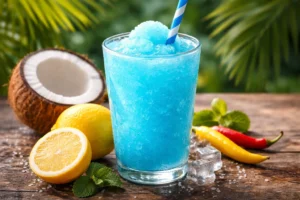
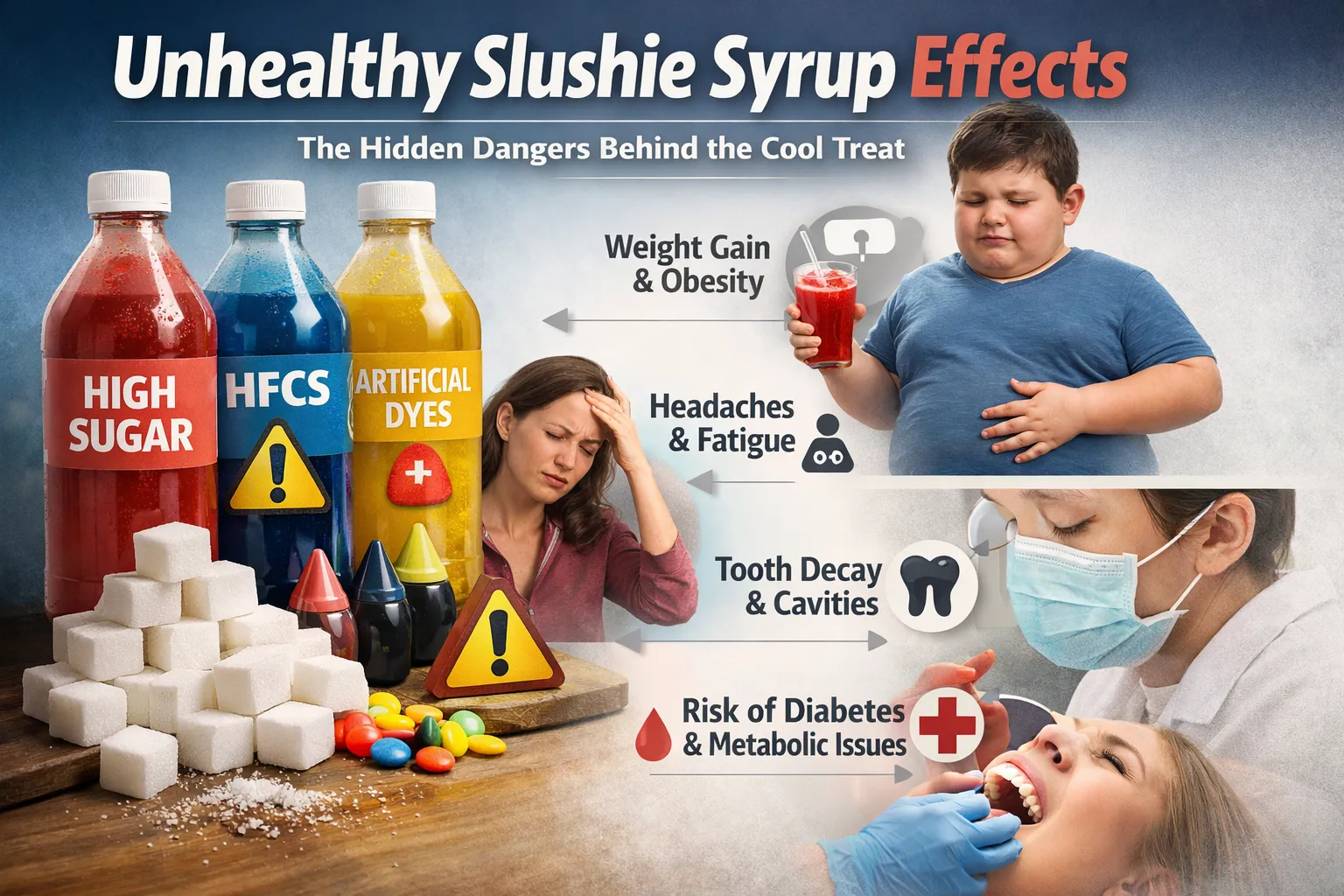
Slushies are often associated with refreshment and fun, but the syrup behind them raises growing health concerns. As more consumers search for a healthy slushie syrup, questions arise about what actually makes traditional slushie syrups unhealthy—and whether better alternatives truly exist. From excessive sugar and artificial dyes to misleading “diet” labels, many slush syrups contain ingredients that conflict with modern nutritional standards. This article breaks down the core factors that make a slushie syrup unhealthy, explains why certain ingredients are problematic, and clarifies how terms like diet slushie syrup or sugar free syrup can sometimes mislead consumers rather than protect them.
- 1. Excessive Sugar Content
- 2. High-Fructose Corn Syrup (HFCS)
- 3. Artificial Food Dyes
- 4. Artificial Flavoring Agents
- 5. Misleading “Diet Slushie Syrup” Labels
- 6. Artificial Sweeteners in Sugar-Free Syrups
- 7. Preservatives and Shelf-Life Chemicals
- 8. High Acidity Levels
- 9. Lack of Transparency in Ingredient Lists
- 10. What a Healthy Slushie Syrup Should Avoid
1. Excessive Sugar Content
The most common reason slushie syrups are considered unhealthy is extreme sugar concentration. Traditional slush syrups are designed to stay liquid at freezing temperatures, which requires a high sugar-to-water ratio.
You might also like: Traditional Slushie Syrup Alternatives
Why High Sugar Is a Problem:
- A single serving of slushie syrup can contain more sugar than a full can of soda
- Frequent consumption contributes to:
- Blood sugar spikes
- Increased risk of insulin resistance
- Childhood obesity and dental decay
Many consumers searching for a healthy slushie syrup are unaware that even small portions can exceed recommended daily sugar limits.
2. High-Fructose Corn Syrup (HFCS)
High-fructose corn syrup is widely used in commercial slush syrups due to its low cost and freezing stability.
Health Concerns Linked to HFCS:
- Faster absorption than glucose
- Increased liver fat accumulation
- Strong association with metabolic disorders
While not always listed prominently, HFCS is one of the primary reasons conventional syrups fail to qualify as a healthy slushie syrup.
3. Artificial Food Dyes
Bright colors are a signature of slushies—but those colors often come at a cost.
Common Artificial Dyes in Slushie Syrup:
- Red 40
- Blue 1
- Yellow 5
Why They’re Considered Unhealthy:
- Linked to behavioral issues in children
- May trigger allergic reactions
- Provide no nutritional value
Consumers increasingly prefer dye-free slush syrups, making artificial coloring a major red flag when evaluating syrup healthiness.
4. Artificial Flavoring Agents
Many slushie syrups contain zero real fruit. Instead, they rely on synthetic flavor compounds designed to mimic fruit taste.
Issues with Artificial Flavorings:
- No vitamins, antioxidants, or fiber
- Can contain chemical carriers and solvents
- Often paired with sweeteners to intensify cravings
A syrup lacking real ingredients cannot realistically be categorized as a healthy slushie syrup, regardless of calorie count.
5. Misleading “Diet Slushie Syrup” Labels
The term diet slushie syrup sounds healthy—but often isn’t.
Why “Diet” Can Be Misleading:
- Usually means low sugar, not healthy
- Often replaces sugar with artificial sweeteners
- May still contain dyes, preservatives, and acids
Diet syrups can reduce calories, but they do not automatically improve overall nutritional quality.
6. Artificial Sweeteners in Sugar-Free Syrups
Many consumers turn to sugar free syrup options believing they are safer. However, sugar-free does not mean risk-free.
Common Artificial Sweeteners Used:
- Aspartame
- Sucralose
- Acesulfame potassium
Potential Health Concerns:
- Disruption of gut microbiome
- Increased sweet cravings
- Possible headaches or digestive discomfort
A sugar free syrup may reduce sugar intake but still fail to meet the criteria of a truly healthy slushie syrup.
7. Preservatives and Shelf-Life Chemicals
Commercial slush syrups are designed for long storage, which requires chemical preservatives.
Frequently Used Preservatives:
- Sodium benzoate
- Potassium sorbate
When combined with acids or vitamin C, some preservatives may form undesirable byproducts. While legal, they contribute nothing positive to nutritional value.
You might also like: Shelf Life & Storage Guide for Slush Syrups
8. High Acidity Levels
Slushie syrups often contain citric or phosphoric acid to enhance flavor and stability.
Health Impact of High Acidity:
- Tooth enamel erosion
- Increased sensitivity
- Stomach irritation with frequent intake
Even low-calorie or diet slushie syrup options may remain highly acidic.
9. Lack of Transparency in Ingredient Lists
Another major concern is non-transparent labeling.
Common Issues:
- Vague terms like “flavor blend”
- No disclosure of dye quantities
- No nutritional breakdown per serving
Transparency is essential when consumers are actively searching for a healthy slushie syrup they can trust.
10. What a Healthy Slushie Syrup Should Avoid
To summarize, unhealthy slushie syrups typically include:
- Excessive added sugars or HFCS
- Artificial dyes and flavors
- Synthetic sweeteners with no nutritional value
- Chemical preservatives
- High acidity without balance
Avoiding these elements is the first step toward identifying healthier alternatives.
You might also like: Homemade Slush Syrup Recipe
Final Thoughts
Not all slushie syrups are equally unhealthy—but many popular commercial options rely on ingredients that prioritize appearance, shelf life, and cost over nutrition. Whether labeled as traditional, diet slushie syrup, or sugar free syrup, the ingredient list matters more than marketing claims. Understanding what makes a slushie syrup unhealthy empowers consumers to make informed choices and recognize what a genuinely healthy slushie syrup should—and should not—contain.