We tend to treat hydration as a simple equation: drink water, stay hydrated. But the science turns out to be considerably more interesting. Not all fluids are created equal — some beverages keep fluid in your body far longer than plain water, while others actively push fluid out. Here’s what the research actually says.
The Beverage Hydration Index: Measuring Hydration Scientifically
In 2016, researchers at Loughborough University published a landmark study in the American Journal of Clinical Nutrition introducing the Beverage Hydration Index (BHI) — a measure of how much fluid remains in the body two hours after drinking a given beverage, compared to an equivalent volume of plain water (set at a baseline of 1.0). The higher the BHI, the more hydrating the drink.
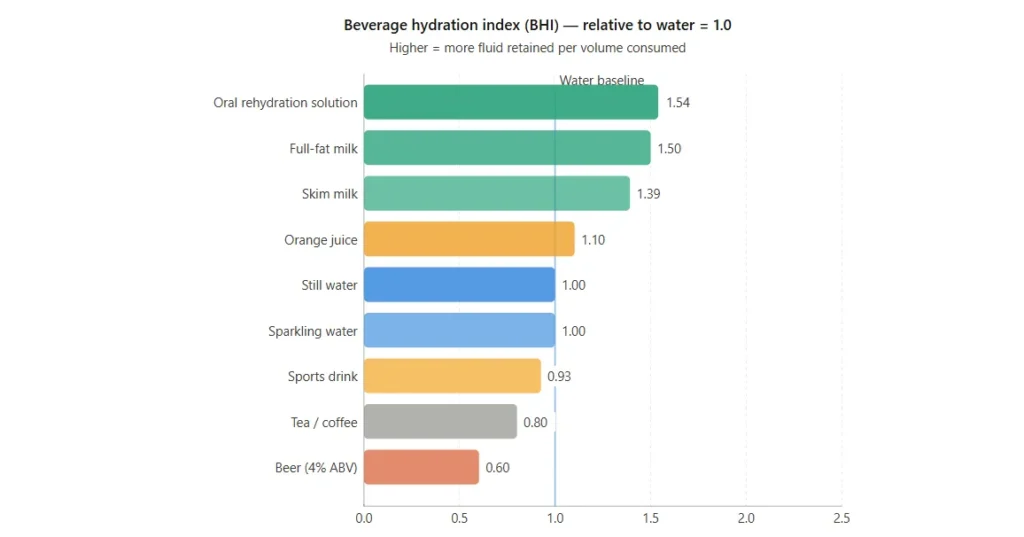
The key insight from the study: it’s not just how much you drink, but how well your body retains that fluid that determines hydration.
1. The Top Hydrators
Oral Rehydration Solutions (BHI ~1.54)
These lead the chart. Formulated with a precise ratio of glucose and electrolytes, ORS solutions are specifically designed to maximize water absorption in the small intestine through a mechanism called sodium-glucose cotransport. The sodium draws water across the intestinal wall into the bloodstream with exceptional efficiency. The World Health Organization endorses their use not just for illness, but as the gold standard for rapid rehydration.
Milk — Whole and Skim (BHI ~1.39–1.50)
Milk ranks surprisingly high. Several factors work in its favor. First, it contains electrolytes — sodium and potassium — that help the body hold on to fluid. Second, its protein content (casein and whey) slows gastric emptying, meaning fluid is absorbed more gradually and steadily rather than flushed through quickly. A 2007 study in the British Journal of Nutrition (Shirreffs et al.) confirmed that milk is superior to water and sports drinks for post-exercise rehydration, largely due to these properties. Skim milk edges out whole milk slightly because lower fat content means faster gastric emptying of the water component.
Fruit Juice — Orange Juice (BHI ~1.10)
Natural fruit juices sit just above water on the hydration index. They contain natural sugars and small amounts of potassium, which help with fluid retention. However, their high sugar concentration can actually slow water absorption slightly in very high quantities, so moderation applies.
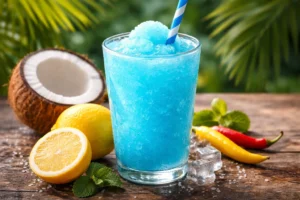
You might also like: Can Slushies Hydrate You?
2. The Middle Tier: Water and Its Relatives
Plain Water (BHI = 1.0)
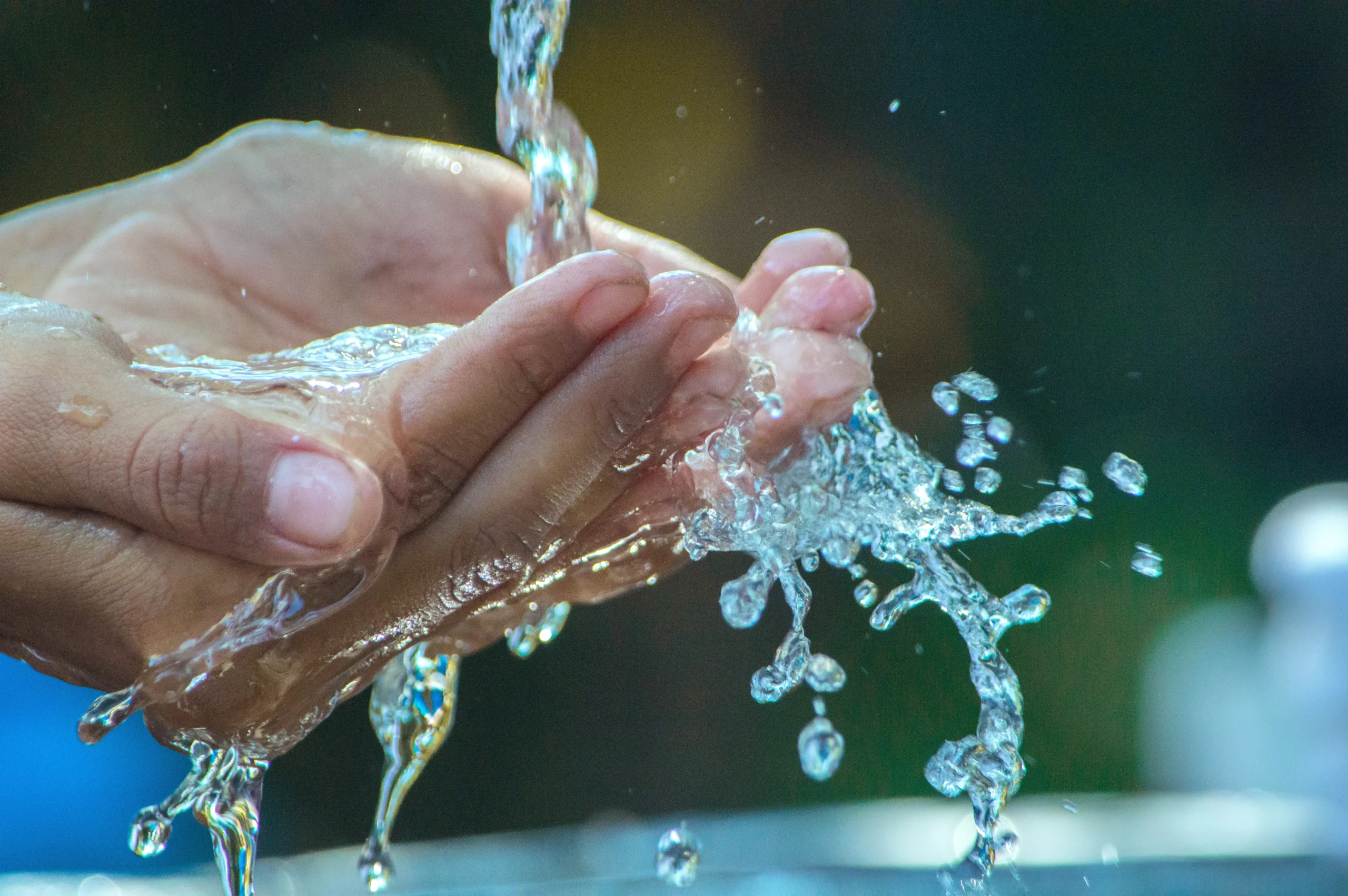
Plain water is the reference point — not the champion. It hydrates adequately in most everyday circumstances, but because it lacks electrolytes, the body processes it quickly, and excess is excreted rapidly. This is not a flaw; for most healthy adults under normal conditions, this works perfectly well. But it explains why water may not be the most efficient option after intense exercise or illness.
Sparkling Water (BHI ~1.0)
Carbonation does not meaningfully change hydration. Sparkling water performs essentially identically to still water. The carbon dioxide dissolves harmlessly in the gut and is expelled; the water content is fully bioavailable.
3. The Lower Tier: Drinks that Work Against You
Sports Drinks (BHI ~0.93)
Despite their marketing, isotonic sports drinks like those studied in the Loughborough paper performed slightly below water in the BHI. Their electrolyte and carbohydrate balance is calibrated for performance during prolonged exercise — not resting rehydration. They are most useful when you have been sweating heavily for more than an hour, when replenishing glycogen alongside fluids has genuine value.
Tea and Coffee (BHI ~0.80)
Caffeine is a mild diuretic — it inhibits antidiuretic hormone (ADH) and can increase urine output. However, research published in PLOS ONE (Killer et al., 2014) found that moderate coffee consumption (up to 4 cups per day) does not cause net dehydration in habitual caffeine consumers, because the fluid in the beverage largely offsets the diuretic effect. Tea and coffee still count toward your daily fluid intake, but their hydration efficiency is lower than water.
Alcohol (BHI ~0.60 for beer)
Ethanol is a potent inhibitor of ADH (antidiuretic hormone), produced in the pituitary gland. When ADH is suppressed, the kidneys cannot reabsorb water effectively, and urine output increases dramatically — often exceeding the volume of alcohol consumed. This is why alcohol causes thirst, headaches, and dryness. Higher-alcohol beverages (spirits, wine) produce an even stronger diuretic effect than low-alcohol beer.
You might also like: Drinks that Must Be Avoided in Hot Weather
The Underlying Biology: Why Electrolytes Matter
The common thread through the best hydrators is electrolytes — primarily sodium, potassium, and chloride. These dissolved minerals serve two critical functions:
First, they trigger the thirst response at the right time, prompting continued drinking when the body actually needs it. Second, they activate the kidney’s reabsorption mechanisms: when blood sodium levels are adequate, the kidneys signal the body to retain water rather than excrete it.
Plain water, paradoxically, can suppress thirst prematurely by diluting blood sodium slightly before the body is fully rehydrated — a phenomenon documented in endurance athletes known as exercise-associated hyponatremia.
Practical Takeaways
For everyday hydration, plain water remains an excellent and practical choice — no calories, no cost, no complications. But if you are recovering from illness, exercising intensely, or spending time in heat, choosing milk, an ORS, or even diluted juice will keep your body hydrated more efficiently and for longer. The science does not demand complexity — just an awareness that the quality of fluids matters alongside the quantity.