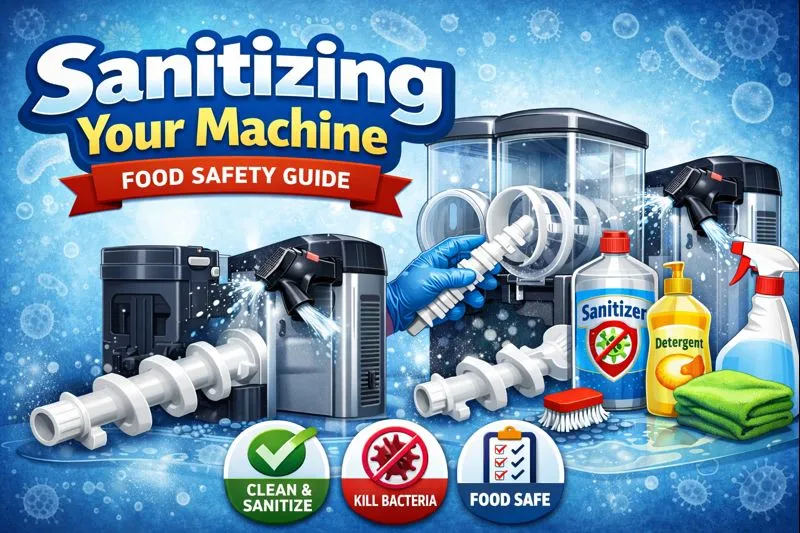
Dirty machines don’t just ruin drinks — they put your customers, your business, and your reputation at risk. Many operators believe a quick rinse or occasional wipe is enough, but hidden syrup residue, bacteria buildup, and mold growth can silently contaminate every cup you serve. The problem gets worse in warm environments where sugar, moisture, and poor hygiene combine into a perfect breeding ground for harmful microbes. The solution is simple but critical: proper and regular sanitization. This food safety guide will walk you through why, when, and how to sanitize your slush machine correctly, helping you protect customers, comply with food safety standards, and keep your machine running efficiently.
- Why Sanitizing Your Slush Machine Is Non-Negotiable
- Cleaning vs Sanitizing: Know the Difference
- How Often Should You Sanitize a Slush Machine?
- Tools and Supplies You’ll Need
- Step-by-Step: How to Sanitize Your Slush Machine Properly
- Common Sanitizing Mistakes to Avoid
- Signs Your Machine Is Not Properly Sanitized
- Food Safety Compliance & Health Inspections
- How Proper Sanitization Improves Machine Performance
Why Sanitizing Your Slush Machine Is Non-Negotiable
A slush machine handles food-grade liquids, which means it falls under food safety regulations in most regions. Unlike regular beverage equipment, slush machines deal with:
- High sugar content
- Constant moisture
- Cold temperatures that slow—but don’t stop—bacterial growth
Without proper sanitization, machines can develop:
- Bacteria and yeast buildup
- Mold inside barrels and seals
- Sticky residue that affects slush texture
- Unpleasant odors and off-flavors
- Health code violations and customer complaints
Sanitizing is not just about cleanliness — it’s about food safety, machine performance, and brand trust.
Cleaning vs Sanitizing: Know the Difference
Many operators confuse cleaning with sanitizing, but they are not the same.
Cleaning
- Removes visible dirt, syrup, and debris
- Uses detergent or mild soap
- Essential first step
Sanitizing
- Kills harmful bacteria and microorganisms
- Uses food-safe sanitizing solutions
- Must be done after cleaning
Important: Sanitizing a dirty machine does not work. You must clean first, then sanitize.
You might also like: Step-by-Step Cleaning Guide for Slush Machines
How Often Should You Sanitize a Slush Machine?
Frequency depends on usage, environment, and local health regulations.
Recommended Schedule
- Daily
- Rinse taps and nozzles
- Wipe exterior surfaces
- Weekly (Minimum)
- Full disassembly, cleaning, and sanitizing
- Barrels, seals, augers, taps
- Every Flavor Change
- Complete clean and sanitize cycle
- After Long Shutdowns
- Always sanitize before restarting
High-volume commercial locations may need sanitizing every 3–5 days.
Tools and Supplies You’ll Need
Using the wrong products can damage your machine or leave chemical residue.
Approved Supplies
- Food-grade sanitizer (non-corrosive)
- Mild dish detergent
- Warm (not hot) water
- Soft brush (for barrels and seals)
- Small brush (for taps and nozzles)
- Clean microfiber cloths
- Gloves (recommended)
Avoid:
- Bleach (unless manufacturer-approved)
- Abrasive pads
- Strong chemicals
- High-pressure water inside machine
Step-by-Step: How to Sanitize Your Slush Machine Properly
Step 1: Power Off and Unplug
Safety first. Turn off the machine and disconnect the power supply.
Step 2: Drain All Product
- Empty remaining slush or liquid
- Never mix old product with new batches
Step 3: Disassemble Key Parts
Remove:
- Barrels
- Augers / spirals
- Taps and handles
- Seals and gaskets
Follow manufacturer instructions to avoid damage.
Step 4: Clean Thoroughly
- Wash all removable parts with warm water and detergent
- Use brushes to reach corners and grooves
- Remove all syrup residue and stickiness
Rinse with clean water until no soap remains.
Step 5: Sanitize All Components
- Prepare sanitizer according to label instructions
- Submerge parts or circulate solution through barrels
- Allow proper contact time (usually 1–5 minutes)
Do not rinse unless sanitizer instructions say so.
Step 6: Air Dry Completely
- Let parts dry naturally
- Avoid towel drying to prevent contamination
Step 7: Reassemble and Final Rinse
- Reinstall parts correctly
- Run a small amount of clean water through taps
- Discard rinse water
Your machine is now sanitized and ready for use.
Common Sanitizing Mistakes to Avoid
Even experienced operators make these mistakes:
- Skipping seals and gaskets
- Using too strong sanitizer solutions
- Rushing contact time
- Not sanitizing taps daily
- Reassembling while parts are wet
- Ignoring manufacturer guidelines
These errors can lead to chemical contamination, bacterial survival, or machine damage.
Signs Your Machine Is Not Properly Sanitized
Watch for these warning signs:
- Sour or unusual taste
- Sticky taps even after cleaning
- Cloudy slush texture
- Foul odor from barrels
- Visible residue or slime
- Increased machine noise or resistance
If you notice any of these, stop service immediately and sanitize again.
Food Safety Compliance & Health Inspections
Health inspectors commonly check:
- Cleaning logs
- Sanitizer availability
- Machine condition
- Residue buildup
- Operator knowledge
Maintaining a sanitizing schedule log helps:
- Pass inspections
- Train staff
- Reduce liability
- Build customer confidence
How Proper Sanitization Improves Machine Performance
Clean machines don’t just protect health — they perform better.
Benefits include:
- Smooth slush texture
- Correct freezing consistency
- Reduced strain on motor
- Fewer breakdowns
- Longer equipment lifespan
- Lower repair costs
A sanitized machine is a more efficient machine.
Final Thoughts: Clean Machine, Safe Business
Sanitizing your slush machine is not optional — it’s a core part of food safety, customer satisfaction, and equipment care. By following a consistent cleaning and sanitizing routine, you protect your customers, comply with regulations, and ensure every drink tastes exactly as it should.
A few extra minutes of proper sanitization can save you from:
- Health complaints
- Failed inspections
- Costly repairs
- Lost trust
Clean smart. Sanitize regularly. Serve safely.